Jamie Dimon's Late Recognition of Blockchain's Impact
Jamie Dimon's Late Recognition of Blockchain's Banking Disruption
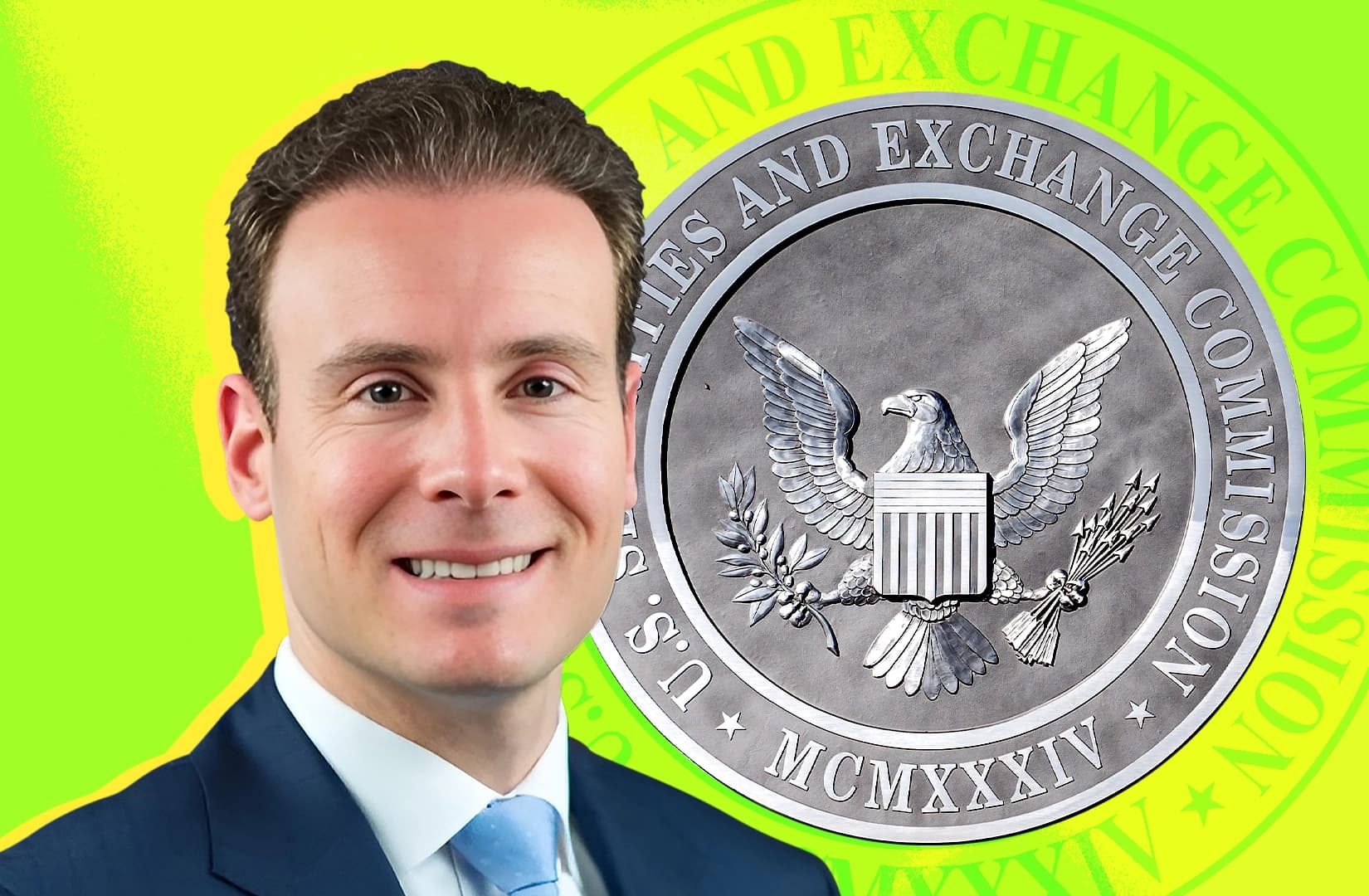
Jamie Dimon, Chairman and CEO of JPMorgan Chase, has formally recognized blockchain technology as a competitor to traditional banking. This shift in stance is significant, as Dimon had previously been critical of crypto-assets.
Historical Context and Shift in Stance
Between 2017 and 2023, Dimon's public commentary on Bitcoin was skeptical, labeling it a "dangerous speculative asset" with no intrinsic value. However, JPMorgan internally developed the Onyx blockchain platform and launched JPM Coin for wholesale payments. This divergence between public skepticism and private infrastructure investment is not contradictory, but rather a rational separation between the speculative volatility of unbacked crypto-assets and the utility of the underlying ledger technology.
Empirical Indicators of Disruption
Three measurable flows indicate the impact of blockchain on traditional banking: stablecoin supply growth, tokenized U.S. Treasury securities, and on-chain foreign exchange and payments. As of March 2026, total circulating supply of fiat-backed stablecoins exceeded $310 billion, a 42% increase year-over-year. Standard Chartered's digital-assets research unit estimated that stablecoins currently displace approximately $80 billion in demand deposits in U.S. commercial banks.
Blockchain and Banking: A New Competitive Landscape
Dimon now states that "stablecoins, tokenization, and smart contract platforms represent a new set of competitors that do not hold banking charters but offer substitutes for deposit accounts, payment systems, and collateral management." This recognition of blockchain's potential to disrupt traditional banking is significant, as it acknowledges the changing landscape of financial intermediation.
Tokenization and Decentralized Lending
Tokenized U.S. Treasury securities, which exceeded $18 billion in face value by Q1 2026, are programmable, transferable 24/7, and usable as collateral in decentralized lending protocols. This reduces counterparty risk and opportunity cost, compressing revenue lines for traditional banks.
Key Takeaways
- Jamie Dimon has formally recognized blockchain technology as a competitor to traditional banking.
- Stablecoin supply growth, tokenized U.S. Treasury securities, and on-chain foreign exchange and payments indicate the impact of blockchain on traditional banking.
- Blockchain-based payment rails settled $7.2 trillion in transactions, reducing settlement times and increasing efficiency.
- Traditional banks face structural compression of revenue lines due to the rise of decentralized lending and tokenization.
Frequently Asked Questions
What is the significance of Jamie Dimon's recognition of blockchain?
Dimon's recognition of blockchain as a competitor to traditional banking acknowledges the changing landscape of financial intermediation and the potential for disruption.
How will blockchain impact traditional banking?
Blockchain-based technologies, such as stablecoins and tokenization, will reduce friction and increase efficiency in financial transactions, potentially displacing traditional banking services.