Flags Material Consequences: Expanding Stablecoins
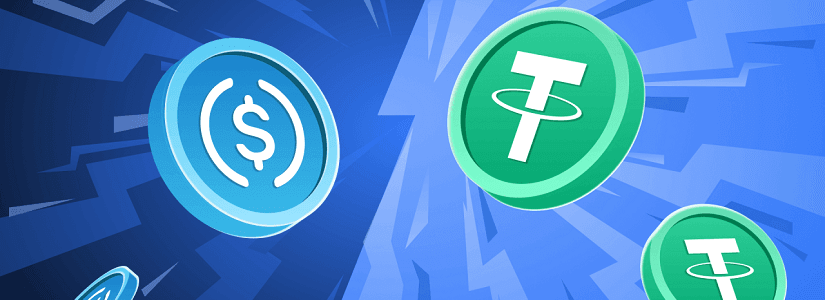
The Bank for International Settlements (BIS) warns of material consequences from expanding USD stablecoins, citing potential risks to global financial stability. Flags material consequences expanding stablecoins as a major concern.
Stablecoins: A Growing Concern
Pablo Hernández de Cos, the BIS general manager, notes that leading dollar stablecoins like USDT and USDC behave more like exchange-traded funds (ETFs) than cash, generating potential bank runs. This is due to fees and conditions on primary market redemptions, as well as price deviations from parity in secondary markets.
Regulatory Frameworks and Stablecoin Risks
Global Regulatory Alignment
Multiple jurisdictions, including Europe, the UK, and Switzerland, are advancing their own regulatory frameworks amid the growth of cryptocurrencies in everyday payments. Denis Beau, first deputy governor of the Banque de France, urges the European Union to limit the use of non-euro-denominated stablecoins in everyday payments.
- 59% of stablecoin transactions are used for trading and speculation, rather than payments.
- 21% of stablecoin transactions are used for remittances and cross-border payments.
Key Takeaways
- The BIS warns of material consequences from expanding USD stablecoins, citing potential risks to global financial stability.
- Leading dollar stablecoins behave more like ETFs than cash, generating potential bank runs.
- Regulatory frameworks are being advanced in multiple jurisdictions to address stablecoin risks.
Frequently Asked Questions
What are the risks associated with stablecoins?
Stablecoins pose risks to global financial stability, including potential bank runs and financial contagion.
How are regulatory frameworks addressing stablecoin risks?
Regulatory frameworks are being advanced in multiple jurisdictions to limit the use of non-euro-denominated stablecoins and reduce regulatory arbitrage.