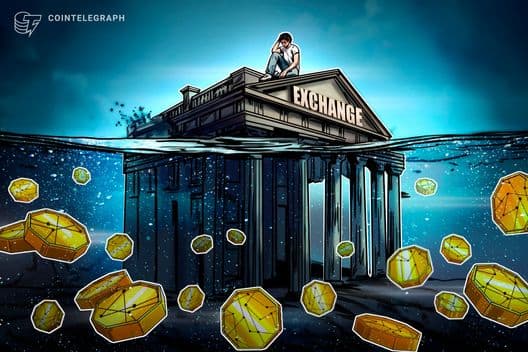
Crypto Exchanges Chase TradFi Commodities
Crypto Exchanges Chase TradFi Commodities
Crypto exchanges are racing to capture the market share of TradFi trading venues, with crypto exchanges chase tradfi commodities being a key area of focus. Pricing gaps persist, limiting tokenized commodities adoption.
Crypto Exchanges and TradFi Commodities
Crypto exchanges are exploring ways to bridge the gap between traditional finance (TradFi) and digital assets. Tokenized commodities, such as gold and oil, are being traded on crypto exchanges, offering investors new opportunities.
Benefits of Tokenized Commodities
- Increased liquidity
- Improved price discovery
- Reduced counterparty risk
Challenges in Crypto Commodities Trading
Despite the growth of crypto exchanges, tokenized commodities adoption remains limited by pricing and liquidity concerns. The lack of standardization and regulatory clarity is also hindering the development of this market.
Regulatory Environment
Regulators are taking a closer look at crypto exchanges and tokenized commodities. Clear guidelines and regulations are needed to ensure the integrity and stability of this market.
Key Players in Crypto Commodities
Several crypto exchanges, such as Binance and Coinbase, are already offering tokenized commodities trading. These exchanges are working to increase liquidity and reduce pricing gaps, making it more attractive for investors to participate.
Key Takeaways
- Crypto exchanges are chasing TradFi commodities market share
- Tokenized commodities adoption is limited by pricing and liquidity concerns
- Regulatory clarity is needed to ensure market integrity
- Crypto exchanges are working to increase liquidity and reduce pricing gaps
Frequently Asked Questions
What are tokenized commodities?
Tokenized commodities are digital representations of traditional commodities, such as gold and oil, traded on crypto exchanges.
Why are crypto exchanges chasing TradFi commodities?
Crypto exchanges are chasing TradFi commodities to capture market share and offer investors new opportunities, increasing liquidity and reducing pricing gaps.