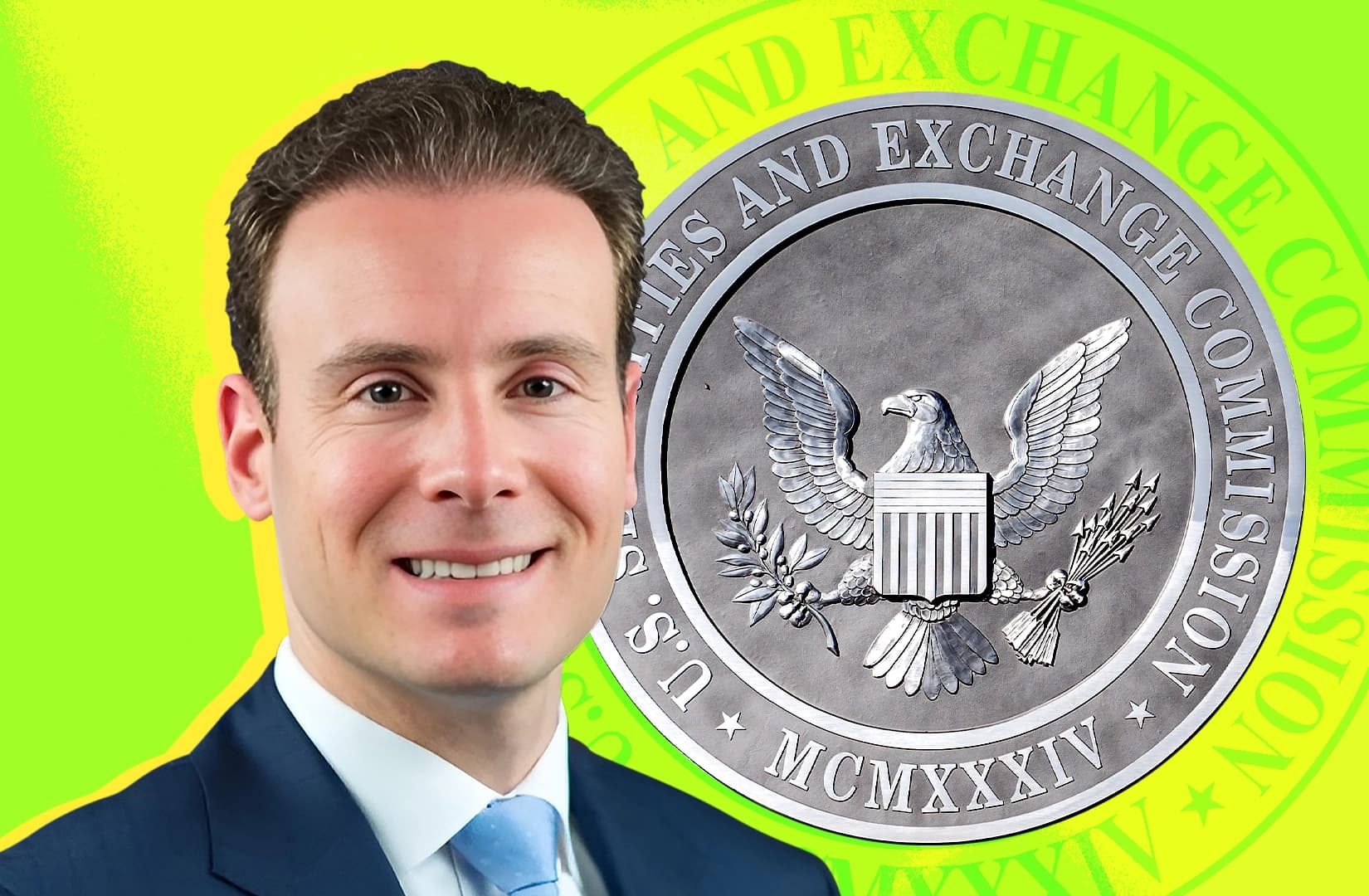
Centralizing Crypto: Malta's Clash with ESMA
Centralizing Crypto: Malta's Clash with ESMA
The centralizing crypto debate is heating up as Malta's clash with ESMA tests MiCA's balance between EU-level control and national-level decision-making, with centralizing crypto being a major point of contention.
Introduction to Centralizing Crypto
The plan to move supervision of major crypto asset service providers to the France-based ESMA is a significant development in the centralizing crypto landscape, with many experts weighing in on the potential implications.
Key Players Involved
Malta, a small but significant player in the crypto space, is at the forefront of this clash, with over 100 crypto companies operating within its borders, and ESMA, the European Securities and Markets Authority, seeking to assert its authority.
Implications of Centralizing Crypto
The centralizing crypto push has significant implications for the industry, with many experts citing concerns over regulatory clarity and the potential for over-regulation, which could stifle innovation and drive businesses out of the EU.
Regulatory Challenges
- Lack of clear guidelines for crypto asset service providers
- Uncertainty over the role of national regulators versus ESMA
- Potential for conflicting regulations across EU member states
Benefits of Decentralized Crypto
Proponents of decentralized crypto argue that it offers numerous benefits, including increased security, improved transparency, and greater accessibility, making it an attractive option for individuals and businesses alike.
Key Takeaways
- Malta's clash with ESMA is a significant development in the centralizing crypto debate
- The plan to move supervision to ESMA has major implications for the industry
- Regulatory clarity and balance between EU-level control and national-level decision-making are crucial
- Decentralized crypto offers numerous benefits, including increased security and improved transparency
Frequently Asked Questions
What is ESMA's role in regulating crypto?
ESMA, the European Securities and Markets Authority, is responsible for supervising and regulating crypto asset service providers in the EU.
How will centralizing crypto affect the industry?
Centralizing crypto could lead to increased regulatory clarity, but also risks over-regulation, which could stifle innovation and drive businesses out of the EU.