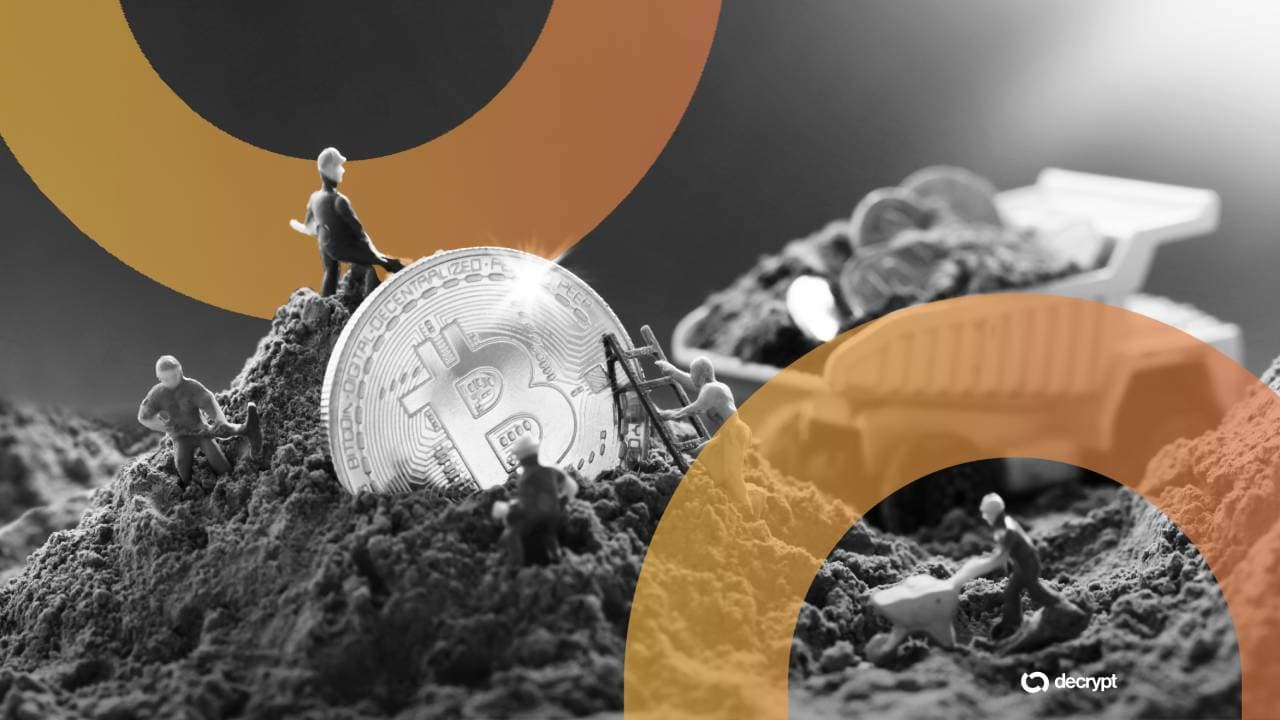
BlackRock's Dilemma: Institutional Stealth
BlackRock's dilemma and "institutional stealth" are shaping the future of digital assets. BlackRock's Head of Digital Assets, Robbie Mitchnick, highlighted the importance of crypto as "money native to computers".
Institutional Interest and Regulatory Constraints
Institutional interest in crypto remains high, but regulatory constraints limit public discourse. The SEC's approval process restricts BlackRock's exposure to Bitcoin and Ethereum ETFs, making it a potential legal risk to promote other assets like XRP.
Regulatory Environment
The Digital Asset Market Clarity Act has passed the House of Representatives with strong bipartisan support (294–134), indicating a potential shift in the regulatory environment.
The Silent War for Financial Infrastructure
Ripple is already operating with central banks in Asia, modernizing trade finance through blockchain technology. The XRP Ledger has surpassed $2 billion in tokenized real-world assets (RWA), with a 1,300% surge in transfer volume over the past 30 days.
On-Chain Data
- The network processes between 2 and 2.8 million daily transactions.
- XRP's price remains around $1.40–$1.50.
Key Takeaways
- BlackRock's dilemma highlights the disconnect between public messaging and actual capital deployment.
- Institutional adoption is materializing through real, operational infrastructure.
- The XRP Ledger is one of the most active infrastructures in the digital asset ecosystem.
- Regulatory developments may remove uncertainty surrounding assets like XRP.
Frequently Asked Questions
What is institutional stealth?
Institutional stealth refers to the deliberate disconnect between public messaging and actual capital deployment.
How is Ripple operating with central banks?
Ripple has joined the BLOOM initiative led by the Monetary Authority of Singapore, testing real cross-border settlements using the XRP Ledger and RLUSD stablecoin.