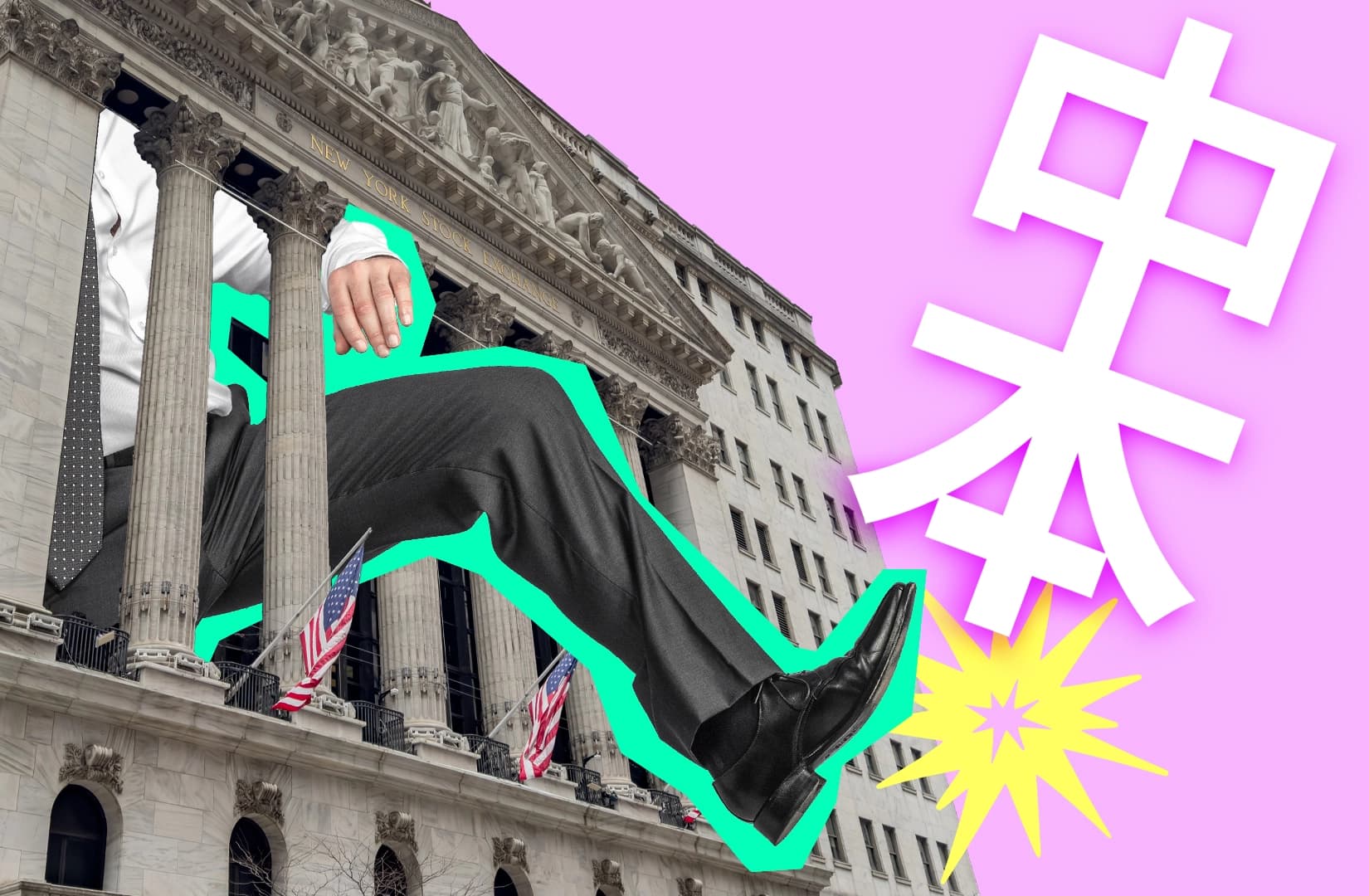
Bitcoin Treasury Nakamoto Aims Reverse
Bitcoin Treasury Nakamoto Aims for Reverse Stock Split: Is it a Good Idea?
Bitcoin treasury Nakamoto's stock has collapsed 99%, prompting the company to consider a reverse stock split to avoid delisting from the Nasdaq. The primary keyword, bitcoin treasury Nakamoto, is at the forefront of this decision.
Understanding Reverse Stock Splits
A reverse stock split is a financial engineering tactic that consolidates existing shares, resulting in a higher stock price without addressing underlying issues. Satish Patel, an investment analyst at CoinShares, notes that the reverse split buys time but doesn't fix the business strategy.
How it Works
- Consolidate existing shares
- Reduce the number of shares outstanding
- Increase the stock price
Bitcoin Treasury Nakamoto's Situation
The company's stock price has plummeted from $34 to $0.21, prompting a delisting notice from the Nasdaq. David Bailey, CEO of Nakamoto, disputes the notion that the reverse split is a sign of weakness, stating that it's nonsense to suggest the split is relevant to their operating business.
Acquisitions and Sales
Nakamoto acquired BTC Inc. and UTXO Management, doubling its outstanding shares to 690 million. The company then sold 284 Bitcoin for $20 million, realizing a 40% loss. This raised questions about the cash flow generated by the acquired businesses.
Key Takeaways
- Bitcoin treasury Nakamoto is considering a reverse stock split to avoid delisting from the Nasdaq
- The company's stock price has collapsed 99% in the past year
- The reverse split may buy time but doesn't address underlying business issues
- Nakamoto's ability to self-fund operations is a concern
Frequently Asked Questions
What is a reverse stock split?
A reverse stock split is a financial tactic that consolidates existing shares, resulting in a higher stock price without addressing underlying issues.
Will the reverse split save Nakamoto from delisting?
The reverse split may temporarily avoid delisting, but it doesn't address the underlying business issues, and the company's ability to self-fund operations is a concern.